
Why Large Showers Are Becoming a Must-Have Feature
When planning a bathroom remodel, many homeowners are taking a fresh look at how they use the space every day. While a tub/shower combination or a separate bathtub and small shower may have been the standard in the past, today’s homeowners are increasingly prioritizing a larger, more functional shower that better supports their lifestyle.
This shift reflects a broader trend in bathroom design. Bathrooms are no longer viewed as purely practical spaces. Instead, they are becoming personal retreats that promote comfort, wellness, accessibility, and convenience. From spa-inspired features and improved storage to aging-in-place considerations and easier daily routines, homeowners are looking for ways to make their bathrooms work harder and feel more relaxing.
Industry trends continue to show strong demand for larger showers, with many homeowners choosing to dedicate more square footage to the shower area rather than a traditional bathtub. Whether you want a luxurious escape, better accessibility, or more functional space, a spacious shower can offer real advantages.
If you’re considering a bathroom remodel, understanding the benefits of a larger shower can help you make informed design decisions. Below, we’ll explore eight reasons why investing in a larger shower can enhance your daily experience, improve the functionality of your bathroom, and add long-term value to your home.
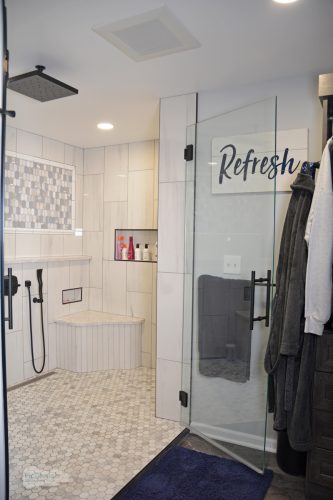
1. A Larger Shower Creates a More Comfortable Everyday Experience
Why do so many people choose to forego the bathtub in favor of a larger shower today? The simple answer is that most homeowners use their shower daily while bathtubs may only be used occasionally, if at all. If your bathtub sits unused, gathering dust, then it may be time to remove it and replace it with a larger, more luxurious shower.
A larger shower offers many benefits, such as more room to move comfortably during morning routines, making it easier for couples sharing a primary bathroom. The extra space in a large shower better accommodates daily needs, like shaving, washing hair, and personal care tasks. It also creates a more open and relaxing environment, particularly with a frameless glass enclosure or fully open shower style, therefore influencing the overall feel and style of your bathroom design.
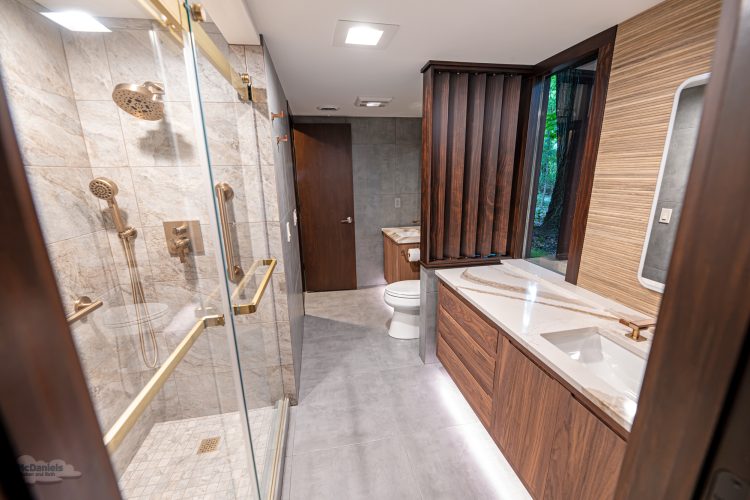
2. Many Homeowners Prefer a Large Shower Over a Tub/Shower Combination
Lifestyle changes are having a big influence on bathroom remodeling priorities as homeowners are focusing on making changes that fit their family and daily habits rather than what was traditionally popular. Many busy homeowners prefer showers over baths as they do not take as long or require as much water, while still providing a relaxing, rejuvenating experience.
Large showers can also maximize usable space in the primary bathroom. Removing an underused tub may free up room for other design features that bring greater benefit to your bathroom’s layout, including a larger shower footprint, expanded vanity with additional storage, and improved traffic flow.
There are some situations when keeping a bathtub still makes sense, depending on your home’s size, the configuration of your rooms, your preferences, and your household.
- Homes with very young children typically need to maintain at least one bathtub to make bathing small children easier and safer.
- Look at how many bathrooms you have in your home. If you have at least two full bathrooms, then you could remove the tub in the primary bathroom but keep the tub in the hall bathroom.
- If you are a person who does enjoy soaking in the tub regularly, then definitely keep it and upgrade to a tub that will improve your relaxing routine!
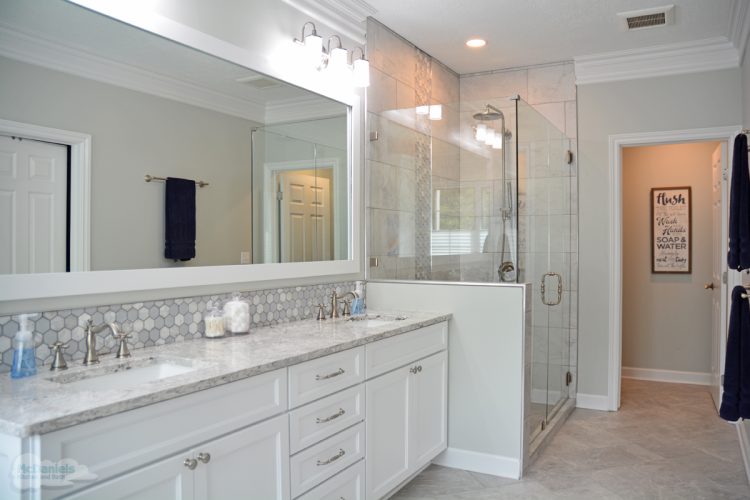
3. A Larger Shower Supports Aging in Place and Accessibility
Accessibility is increasingly important for homeowners of all ages but is especially important if you plan to remain in place in your home as you age. We are seeing aging-in-place designs become one of the top requirements for clients’ bathroom designs. Thankfully, the latest design techniques and materials mean that these universal design features can be incorporated easily without sacrificing style.
Benefits of a larger shower for aging in place and accessibility include curbless entry showers with wider openings, built-in benches, handheld showerheads, and grab bars that blend into the design. These features can be seamlessly integrated into a luxurious shower design while creating a safer bathroom design for your future needs.
These accessible shower styles are both practical and luxurious and serve to reduce trip hazards compared to stepping over a tub wall, providing easier access for all individuals with mobility concerns. Thoughtful bathroom design can help homeowners remain comfortable in their homes longer, and McDaniels extensive experience in designing for aging in place will help you find the perfect solutions for your home. Talk to one of our Certified Aging in Place designers about your remodeling plans!
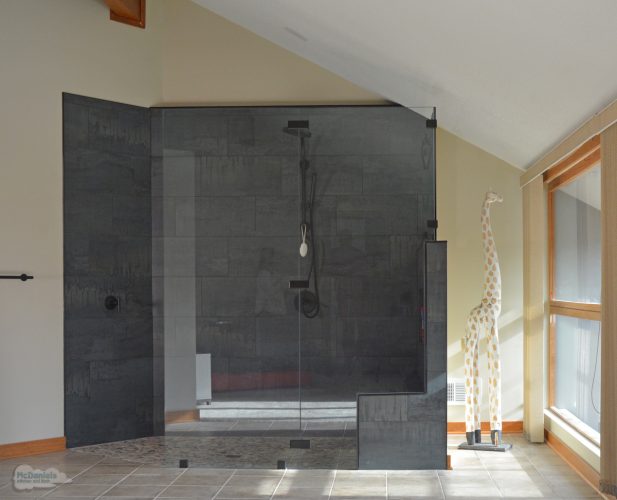
4. Luxury Showers Can Support Wellness and Self-Care
Today’s bathrooms are increasingly being designed as wellness spaces, as many homeowners want to recreate spa-inspired experiences at home. A larger shower is ideal for a spa-vibe bathroom as it creates room for premium wellness features, such as:
- Rainfall showerheads,
- Steam shower systems,
- Aromatherapy,
- Chromotherapy lighting,
- Body sprays, and
- Built-in seating.
This shower style contributes to wellness-focused designs that support relaxation and stress reduction. Creating space for wellness within your home serves as a rejuvenating personal retreat that benefits your mood and emotions every day.
5. Larger Showers Open the Door to More Design Possibilities
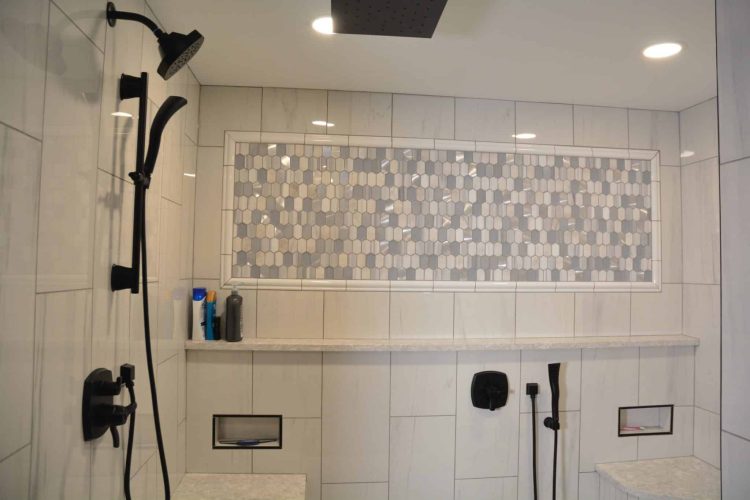
A larger shower style means you have more space, allowing for creative design solutions, as your shower becomes an immediate focal point within the bathroom. More space opens up opportunities to include statement tile designs, decorative accent walls, oversized niches, bench seating, and even unique layouts with custom shower enclosures. These design opportunities enhance the visual appeal of your shower and provide greater flexibility when selecting materials and finishes.
Some of the top shower design styles today include:
- Contemporary minimalist with frameless glass enclosures and neutral colors,
- Transitional elegance that blends traditional details with modern fixtures,
- Natural spa-inspired retreats that focus on relaxation with rainfall showerheads and natural textures,
- Traditional luxury with classic features like marble effect tile, and
- Organic modern showers that blend clean lines with warm, natural materials.
6. Today’s Shower Trends Focus on Openness and Simplicity
Many homeowners increasingly prefer clean, uncluttered bathroom designs, and a larger shower offers the perfect opportunity to achieve this aesthetic. Large, walk-in showers immediately create a larger visual footprint, while frameless glass enclosures are a top choice that open up your space and allow light to flow. Go for popular shower styles to achieve this balance of luxury and accessibility, such as an open wet-room style, curbless entry shower, sleek hardware, large-format tile, and frameless glass.
7. Smart Storage Solutions Work Better in a Larger Shower
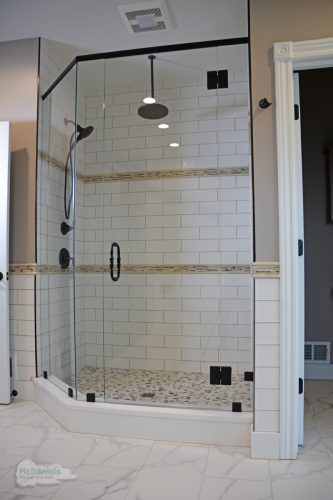
Storage remains a major priority in any bathroom design, and readily accessible shower storage for daily essentials is no exception. Larger showers provide ample room for a range of storage solutions, including recessed niches, multiple niches to fit more than one person’s shower toiletries, corner storage, and built-in ledges.
These storage features reduce clutter and keep products organized and conveniently right where you need them in the shower. It allows for a cleaner, more streamlined appearance, which also makes the shower safer since you do not have to worry about tripping over shampoo bottles on the shower floor or slipping while reaching for your shower gel.
8. A Well-Planned Layout Can Maximize Your Available Space
Depending on your current bathroom, expanding a shower may require rethinking the overall layout of your bathroom. This could involve removing an unused tub, relocating plumbing fixtures, or changing your vanity. It could even include structural changes like moving walls or combining your existing bathroom with an adjacent underutilized space to expand your bathroom’s footprint.
Make sure you work with an experienced design team to plan your remodel to be sure you get the most out of your space and budget, and that you understand the changes required up front. Your bathroom design professional will help you evaluate your room’s space, traffic flow, storage needs, lighting, and existing plumbing locations to determine your options, what changes are required to achieve your remodeling goals, and the best products and materials for your needs.
Frequently Asked Questions
FAQ 1: Is a large shower better than a bathtub?
For many homeowners, a large shower better suits daily routines because it offers greater convenience, comfort, accessibility, and wellness opportunities. However, the right choice depends on your household’s needs and lifestyle.
FAQ 2: How large should a walk-in shower be?
Many homeowners prefer showers that are significantly larger than standard shower stalls. The ideal size depends on the available space, desired features, and whether the shower will be designed for one or two users.
FAQ 3: Can a bathtub be removed to create a larger shower?
Yes. Many of today’s bathroom remodels involve removing an underused tub to create a more spacious shower and improve the overall functionality of the room. The specific changes required to accomplish this goal depend on your existing bathroom, so you should work with a professional design team to plan this type of project.
FAQ 4: What accessibility features should be included in a shower?
Popular options include curbless entries, wider openings, grab bars, handheld showerheads, slip-resistant flooring, and built-in benches.
FAQ 5: What are the most popular shower design trends right now?
Current trends include frameless glass enclosures, large-format tile, curbless showers, recessed storage niches, rainfall showerheads, steam systems, and spa-inspired wellness features.
Designing a Shower That Supports Your Lifestyle
A larger shower offers advantages that go far beyond appearance alone. From improved comfort and accessibility to enhanced wellness features, better storage, and greater long-term functionality, it’s easy to see why spacious showers continue to be one of the most requested features in today’s bathroom remodels. Whether you’re looking to simplify your daily routine, create a spa-like retreat, or plan for future accessibility needs, a thoughtfully designed shower can make a meaningful difference in how you use and enjoy your bathroom.
Of course, every homeowner’s needs are different, and there is no one-size-fits-all solution. The right shower size, layout, and features will depend on your available space, lifestyle, design preferences, and long-term goals. That’s why careful planning is such an important part of any successful bathroom remodel.
If you’re considering expanding your shower or reimagining your bathroom layout, the experienced design team at McDaniels Kitchen & Bath can help. Visit our Lansing showroom to explore cabinetry, tile, plumbing fixtures, and other bathroom products, and discover design solutions tailored to the way you live. Together, we can create a bathroom that is both beautiful and functional for years to come.