
A bathroom is one of the most used spaces in any home. It must perform reliably every day, even with constant use by multiple family members and guests. Today’s homeowners want a bathroom that feels luxurious, but also works effortlessly to meet their day-to-day needs. A successful bathroom remodel blends comfort, durability, storage, and long-term usability.
When creating a new bathroom design you should create a space that balances appearance and practicality, starting with a thoughtfully planned bathroom layout that improves morning routines and organization. Then select fixtures and materials that improve your daily experience and ease of maintenance.
With careful planning and clever design choices, you can create a bathroom design that enhances your lifestyle and boosts your home’s value. Let’s explore some of the must-have items to consider when creating a bathroom that perfectly balances style and functionality.
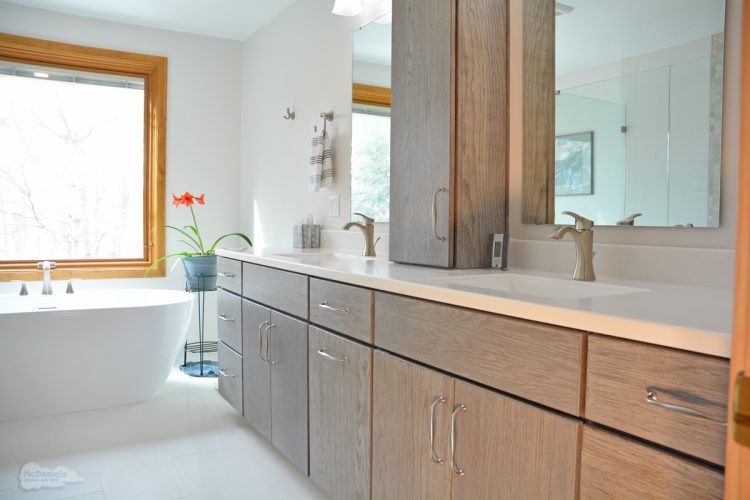
Balancing Beauty and Function
Why is it so important to consider both style and functionality when planning a new bathroom? You may think of this as a purely functional space that doesn’t need to gel with your home’s style, but today’s bathrooms are often seen as an integral space in the home that should reflect your style. Purely functional bathrooms can feel cluttered or clinical if they do not have a cohesive style. Likewise, stylish spaces quickly become frustrating if they are not also designed for efficiency and convenience.
Focus on key priorities to create a layout that works for your space and your family’s needs. This includes considering clear walking paths and door swings, comfortable spacing between fixtures, and logical placement of key features (e.g., putting outlets near a vanity, including storage in a shower, and creating space to hang towels near the shower).
To create a balanced design, make sure your fixtures fit your bathroom’s size and style. Select finishes and colors that complement your home’s style so the bathroom’s style feels integrated with adjacent rooms. Choose statement pieces, such as a furniture style vanity or an architectural freestanding tub, that also serve a functional purpose to balance style and practicality.

Smart Storage Solutions
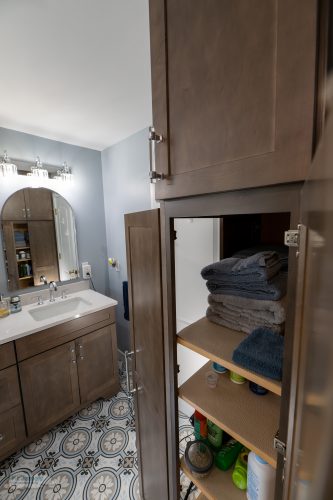
Lack of storage is a frequent complaint in bathrooms, and something many people seek to rectify in designing a new bathroom. Create bathroom storage that fits neatly with your bathroom’s design but that works for your everyday needs, with a combination of closed and open storage options throughout the bathroom.
Go for an organized and clutter free bathroom by including essential storage features throughout: vanities with drawers that have internal dividers, easy-to-access pullouts, vertical storage towers, and built-in shower niches, A mirrored medicine cabinet is another ideal option that extends storage and enhances your style, particularly with a backlit mirror. You could even go for a recessed medicine cabinet for a cleaner look.
Make sure you declutter before remodeling and look at what you really need to store in your bathroom. Separate out daily use items vs. extras that can be stored elsewhere. Include hidden storage to reduce clutter and leave open storage for a few items that need to be immediately available or for decorative items.
Consider who will use the bathroom and cater storage features to the users. If you have kids, make sure you have easily accessible storage for items the kids will use, while keeping medications and cleaning supplies safely stowed out of reach of kids. If this is a guest bathroom, provide space for products used by guests that is easy to find.
Layered Lighting Designs
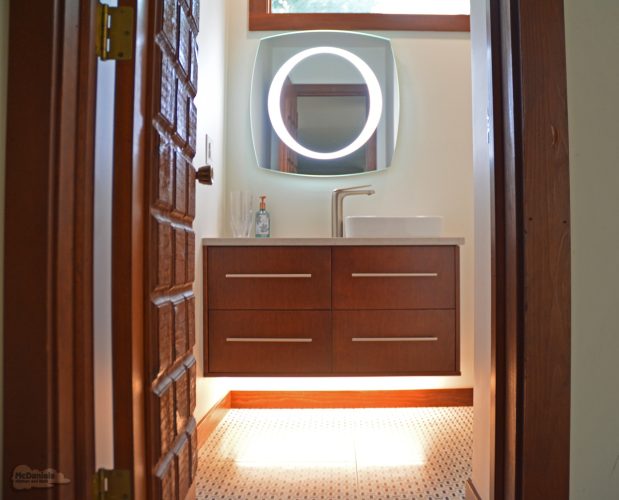
Avoid the common mistake of relying on a single overhead light in a bathroom and instead create a layered lighting plan that balances essential lighting with lights that set the mood for your space. You must plan lighting during the bathroom design stage to ensure it meets your needs and integrates with your chosen fixtures.
There are three basic layers of lighting. Ambient light is your overall illumination for your room, task lighting is targeted light sources for grooming and makeup, and accent lights are designed to set the mood or highlight design elements like architectural features or a tile feature. A carefully planned lighting design improves functionality, creates a more relaxing atmosphere, and gives your bathroom a higher-end appearance.
Here are a few tips to consider when designing your bath design lighting plan:
- Choose vanity lights such as vertical lights that illuminate the vanity area while reducing shadows and glare.
- Include dimmer switches or smart lighting controls to improve flexibility and control over your light levels.
- Light up other key areas, such as the shower or a freestanding tub.
- Turn light fixtures into design accents, such as decorative wall sconces, pendants, chandeliers, or even a backlit mirror in styles and finishes that fit your aesthetic.
- Consider night lighting, such as undercabinet lights or sensor lights, to make nighttime trips to the bathroom safer.
Durable, Low-Maintenance Materials
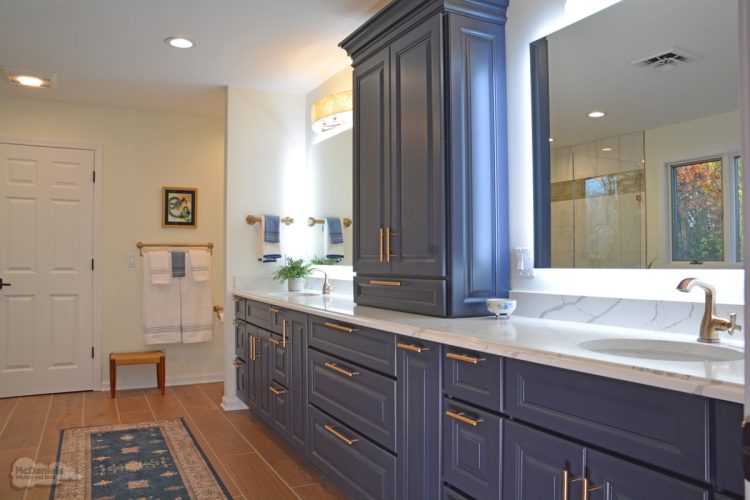
Material selections are essential in creating a durable, stylish, and easy to maintain bathroom design. Bathrooms are subject to humidity, temperature swings, and frequent cleaning, so your chosen materials must be able to stand up to this environment and daily use.
Go for durable, low maintenance materials that are also stylish, such as quartz countertops, porcelain or ceramic tile flooring, large-format tile with fewer grout lines, and matte or brushed finishes that hide water spots. Avoid high maintenance materials like natural stone in heavy use areas, slippery flooring materials, and super trendy options that won’t stand up to the test of time. This extends the lifespan of your materials and therefore your remodel, giving you a better value for your remodeling investment.
Shower and Tub Upgrades
Depending on your bathroom’s layout and size, your personal preferences, and your family’s needs, your bathroom design may include a shower, a bathtub, both individual fixtures, or a combination tub/shower. Choose fixtures that introduce comfort and daily luxury, but also meet any accessibility requirements for your household.
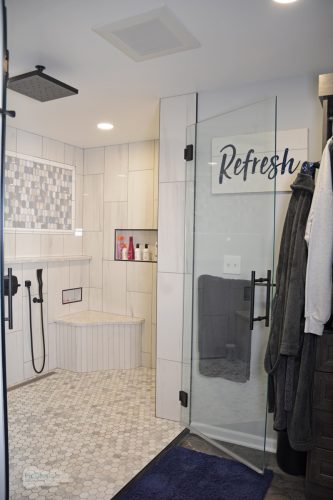
Popular features for showers include curbless walk-in styles that are stylish and ideal for accessibility, sleek frameless glass, multiple showerheads with handheld varieties, recessed niches for easy access storage, and built-in benches. When choosing a tub, consider your space and preferred style. Freestanding tubs are ideal for creating a stylish focal point, while deep soaking tubs are perfect for the ultimate in relaxation. Alcove tubs are a space saving option ideal for a family or guest bathroom, or any bathroom where space is more limited.
Vanities That Work Hard
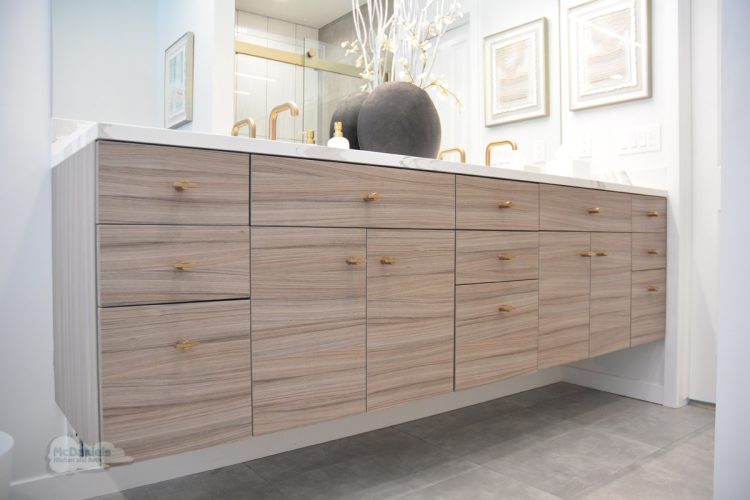
The vanity cabinet is the work center of the bathroom, but it also influences your room’s style. Must have features include drawers with internal storage, integrated outlets, makeup stations, and pull out storage.
If you have space, go for a double sink vanity that lets two people use the bathroom at the same time. Prioritize sufficient counter space to make getting ready easy. At the same time, remember that larger is not always better. You must choose a vanity that is suited to your bathroom’s size and layout.
Balance functionality with a cabinet style that fits your aesthetic, a color and finish that make your design pop, and practical organization that keeps your bathroom clutter free. A furniture style vanity or a floating cabinet creates an eye catching focal point in a bespoke bathroom design.
Spa-Inspired Enhancements
A bathroom remodel is the ideal time to incorporate features that promote daily relaxation right in your home. Include extras like heated floors, towel warmers, steam showers, soft neutral color palettes, and natural textures (e.g., wood, stone, or materials that closely imitate them). Incorporate warm lighting tones, candles, plants, and other features that promote a relaxing environment. These elements transform your bathroom design from a purely functional space into a haven for relaxation within your home.

Planning for Long-Term Use
When planning your bathroom design, make sure you consider your needs not just for today but for the lifespan of the remodel. Go for future friendly features that account for your family’s needs like growing kids, aging in place, or hosting guests. Include flexible features like wide doorways, curbless shower, lever handles, single handle faucets, and grab bars in finishes that fit your style. The universal design features meet the needs of every user, regardless of age or ability. They also fit neatly with your bathroom’s style for the ultimate balance of aesthetics and functionality.
Mistakes to Avoid
Finally, to create a bathroom design that meets all your needs and will last, it helps to understand and avoid common remodeling errors:
- Not planning storage at the beginning of the design stage.
- Poor lighting placement.
- Creating an overcrowded layout.
- Choosing trendy styles over timeless and durable materials.
- Choosing fixtures before finalizing your layout.
- And more!
Design mistakes can be costly, while careful planning saves you money, time, and stress. Work with an experienced design team to ensure your bathroom design gives you exactly what you need and to avoid the pitfalls of poor design choices.
Design a Bathroom That Works Beautifully
A great bathroom design is not just beautiful, it also works hard to improve your everyday life. With smart planning and professional design help, you can create a bathroom that balances style and functionality, maximizes your investment, and avoids key remodeling pitfalls.
Contact our experienced design team to schedule a consultation. We will work with you to create a bath design tailored to your lifestyle, that balances comfort, style, and efficiency.